Seasonal or four-season? How to choose the right cottage
August 31, 2026
9 min. read
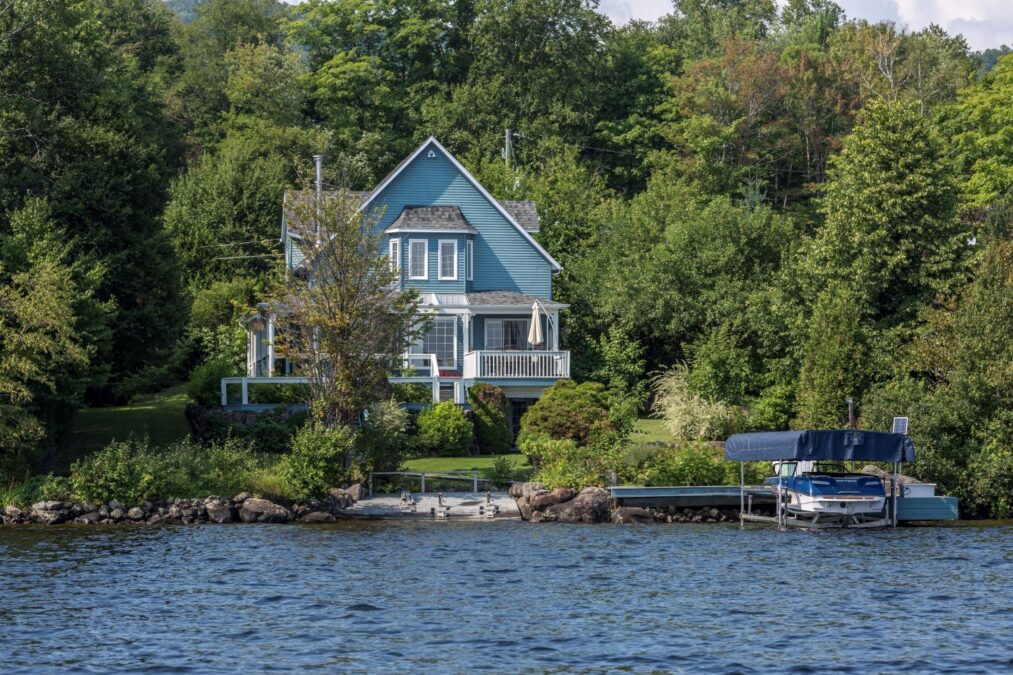
For many Canadians, owning a cottage is about creating a place to relax, spend time with family and enjoy the outdoors. One of the first decisions buyers face is whether to purchase a seasonal property or one designed for year-round use.
While two cottages on the same lake may appear similar, the distinction between “seasonal” and “four-season” can have a significant impact on purchase price, financing, operating costs, resale value and how the property can realistically be used throughout the year.
Understanding these differences before making an offer can help buyers select a property that aligns with both their lifestyle and long-term financial goals.
Understanding the difference
Although the terms are widely used in real estate listings, they do not have a standardized legal definition, and buyers should not assume they mean the same thing in every market.
A seasonal or three-season cottage is generally intended for occupancy during the warmer months of the year. These properties may have limited insulation, seasonal water systems, minimal heating and construction that is not designed for continuous winter occupancy.
A four-season, all-season or winterized property is typically designed to accommodate year-round living. These homes generally feature permanent heating systems, insulated walls and roofs, freeze-protected plumbing and foundations suitable for winter conditions.
However, because these terms are descriptive rather than regulated, buyers should ask for documentation detailing any upgrades that have been completed rather than relying solely on the listing description.
Consider how you will actually use the property
One of the most important questions is how often the property will realistically be used throughout the year.
Many buyers envision winter weekends at the cottage, only to find that work schedules, travel time and weather limit visits outside the summer months.
Creating a realistic annual usage plan can help clarify which type of property makes the most sense. Buyers who expect to use the cottage primarily between late spring and early fall may find that a seasonal property meets their needs while offering a lower purchase price.
Conversely, buyers who anticipate hosting family gatherings over the holidays, enjoying winter recreation or eventually retiring to the property may benefit from investing in a four-season home from the outset.
Evaluating the anticipated number of visits can also help assess the property’s overall value relative to its ongoing ownership costs.
Confirm year-round accessibility
A property designed for year-round occupancy is only practical if it can be accessed throughout the year.
Buyers should determine whether the property is located on a municipally maintained road or a private road. While municipal roads are generally plowed during the winter, private roads may rely on road associations or individual property owners for snow removal, often at an additional annual cost.
Water-access properties require additional consideration. During freeze-up and spring thaw, there may be periods when boating is unsafe and ice conditions do not support crossing, temporarily limiting access.
Before purchasing, buyers should confirm how the property can be accessed during every season and understand any associated maintenance responsibilities or fees.
Evaluate the total cost of ownership
Purchase price represents only one component of cottage ownership.
Seasonal cottages often have lower acquisition costs, but buyers should also consider annual operating expenses.
Four-season properties typically incur year-round heating costs, snow removal, maintenance and monitoring expenses, even when the property is unoccupied. Seasonal cottages may have lower utility costs during the winter but require annual opening and closing procedures, including draining plumbing systems and preparing the property for freezing temperatures.
Financing should also be discussed early in the buying process. Depending on the lender and the characteristics of the property, financing requirements for recreational properties may differ from those for year-round residences, including down payment requirements, amortization periods or lending criteria.
Consider future conversion carefully
Some buyers purchase a seasonal cottage with the intention of converting it into a year-round residence at a later date. While this can be a viable option, the feasibility varies significantly from property to property.
The first consideration is zoning. Some recreational properties are designated for seasonal occupancy only, while others may permit year-round use subject to municipal approval or specific conditions, such as road access or septic upgrades.
Buyers should contact the local municipality to confirm current zoning regulations and whether year-round occupancy is permitted.
The second consideration is construction.
Converting a seasonal cottage to year-round use may require:
- Upgrading or replacing the foundation
- Installing a larger septic system
- Burying water lines below the frost line
- Improving insulation and air sealing
- Installing a permanent heating system
- Upgrading windows and exterior doors
Depending on the property’s condition, these improvements can represent a substantial investment that may approach or exceed the price difference between comparable seasonal and four-season properties.
Obtaining contractor estimates before purchasing can help buyers make an informed financial decision.
Think about long-term resale potential
Four-season cottages generally appeal to a broader range of buyers because they can be enjoyed throughout the year and may also serve as retirement homes or principal residences.
This broader market often contributes to stronger resale demand and may support property values over time.
That said, location remains one of the most important factors influencing long-term value. A well-located seasonal cottage on a highly desirable lake may outperform a year-round property in a less attractive location.
Buyers should evaluate both the property’s features and the strength of the local recreational market rather than focusing solely on whether it is seasonal or four-season.
What to examine during a property viewing
When viewing a seasonal cottage, buyers should assess the systems that limit year-round use.
Important questions include:
- What type of foundation supports the structure?
- How is the water system winterized?
- What type of septic system is installed?
- Has the property ever experienced freeze damage?
- How is the cottage prepared for winter each year?
For properties marketed as four-season, buyers should verify that the home’s construction supports year-round occupancy.
Consider asking about:
- Insulation levels
- Primary and backup heating systems
- Water line depth
- Septic capacity
- Remote monitoring or freeze protection systems
- Average utility costs during the winter months
Reviewing utility bills from January and February can provide valuable insight into both operating costs and the home’s overall energy efficiency.
As with any property purchase, hiring a qualified home inspector with experience evaluating recreational properties is strongly recommended.
The bottom line
Choosing between a seasonal and four-season cottage ultimately depends on how the property will be used, the buyer’s long-term plans and the total cost of ownership.
A seasonal cottage may be the right choice for buyers seeking an affordable summer retreat in a desirable location. A four-season property may better suit those looking for year-round recreation, future retirement plans or greater long-term resale flexibility.
For buyers considering a future conversion, confirming zoning requirements and understanding renovation costs before purchasing can help avoid unexpected expenses.
An experienced local real estate professional can provide valuable insight into seasonal market trends, pricing differences and the unique characteristics of recreational properties within a specific region, helping buyers make a well-informed decision.