
Bank of Canada holds overnight rate at 2.25% as trade uncertainty escalates
No changes to the overnight rate for the seventh consecutive decision
September 2, 2026
6 min. read
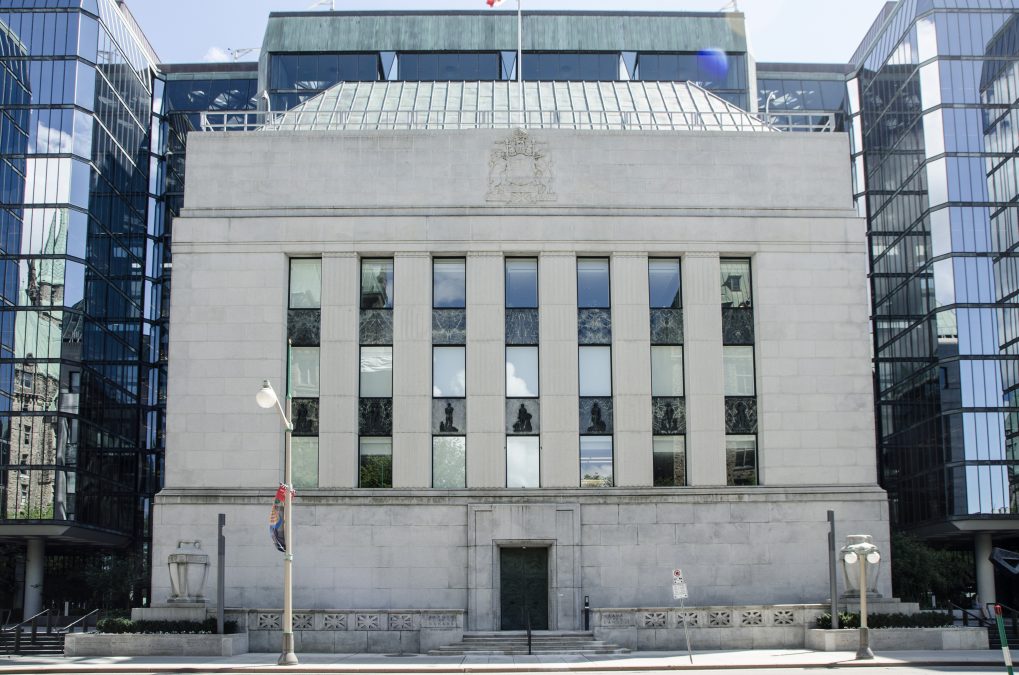
In its sixth scheduled announcement of 2026, the Bank of Canada held the target for the overnight lending rate at 2.25%. This marks the seventh consecutive hold to interest rates since the Bank’s last cut in October 2025.
Canada’s economy strengthened in the second quarter, rebounding from weaker growth earlier in the year as consumer spending increased and housing market activity improved. However, escalating trade tensions are creating new risks for the economic outlook. In recent weeks, deteriorating trade negotiations with the United States have resulted in new tariffs and corresponding Canadian counter-tariffs, adding uncertainty to both growth and inflation. At the same time, the ongoing conflict in the Middle East continues to put upward pressure on energy prices.
“Since our last decision, inflation and growth in Canada have evolved broadly as forecast. Against that background we decided to leave the policy rate unchanged. However, the upside risks to inflation have increased, while new tariffs make growth prospects more uncertain,” said Tiff Macklem, Governor of the Bank of Canada, in a press conference following the announcement. “Governing Council will assess the sustainability of the economic rebound and the outlook for inflation, and is prepared to adjust monetary policy as needed. The Bank remains committed to maintaining Canadians’ confidence in price stability through this period of global upheaval.”
In July, the Consumer Price Index (CPI) rose 3.0% year over year, up from 2.8% in June.1 Gasoline prices remained the largest contributor to the increase, continuing a trend that began following the outbreak of conflict in the Middle East and the blockade of the Strait of Hormuz. So far, however, these inflationary pressures have remained largely concentrated in energy rather than spreading broadly across goods and services, suggesting underlying inflation remains relatively contained. Still, the Bank cautioned that the risks of broader price pressures have increased.
“The longer oil prices and refinery margins stay high, the greater the risk that higher energy prices spill over and turn into persistent inflation. In addition, the new US tariffs and the Canadian counter-tariffs could add costs for some businesses and feed into consumer prices over time,” said Macklem. “Monetary policy cannot offset the effects of tariffs or influence global energy prices. What we can do is ensure global developments don’t jeopardize price stability in Canada.”
Stable overnight rate offers a measure of stability for mortgage holders
With the overnight rate remaining at 2.25%, Canadians obtaining or renewing a mortgage continue to benefit from a relatively stable interest rate environment. This may be particularly welcome for borrowers who secured mortgages during the pandemic-era period of historically low interest rates and are now approaching renewal.
According to the Royal LePage 2026 Mortgage Renewal Survey, conducted by Burson, 38% of Canadians with a mortgage on their primary residence expect their monthly mortgage payment to increase upon renewal, with 26% anticipating a slight increase and 12% expecting a significant jump.
Homeowners who last renewed their mortgage when interest rates were at historic lows are the most likely to expect an increase in their monthly payment at their next renewal. The Bank of Canada’s overnight lending rate stood at just 0.25% in 2021 before rising to 4.25% by the end of 2022.
“The pandemic-triggered era of ultra-low rates came to an abrupt halt in early 2022, having lasted less than two years. While many Canadians who secured record-low mortgages during this period have already navigated their renewals, the final major group of rock-bottom rate holders are up for renewal, and understandably, they are concerned,” said Phil Soper, president and CEO, Royal LePage.
“What we are finding in practice is that families are managing the transition. Borrowing rates have retreated significantly from their post-pandemic peaks, while salaries and wages have continued to appreciate. While some households are adjusting discretionary spending to accommodate higher monthly mortgage payments, the widespread default crisis many feared simply hasn’t materialised – a testament in large part to Canada’s prudent lending standards.”
According to the survey, 70% of mortgage holders currently have a fixed-rate mortgage, while 29% have a variable-rate mortgage. At renewal, 43% plan to choose a fixed rate, 16% intend to select a variable rate, and 39% say they will review their options before making a decision. While nearly half of respondents (49%) expect to remain with their current lender, 44% plan to compare lenders before deciding.
The Bank of Canada will make its next interest rate announcement on October 28th, 2026.
Read the full September 2nd report here. Want to know more about how the overnight lending rate works? Read our explainer on how the Bank of Canada uses this financial tool.
1Consumer Price Index, July 2026, Statistics Canada, August 2026