Winter cottage safety tips every owner should know
November 10, 2026
11 min. read
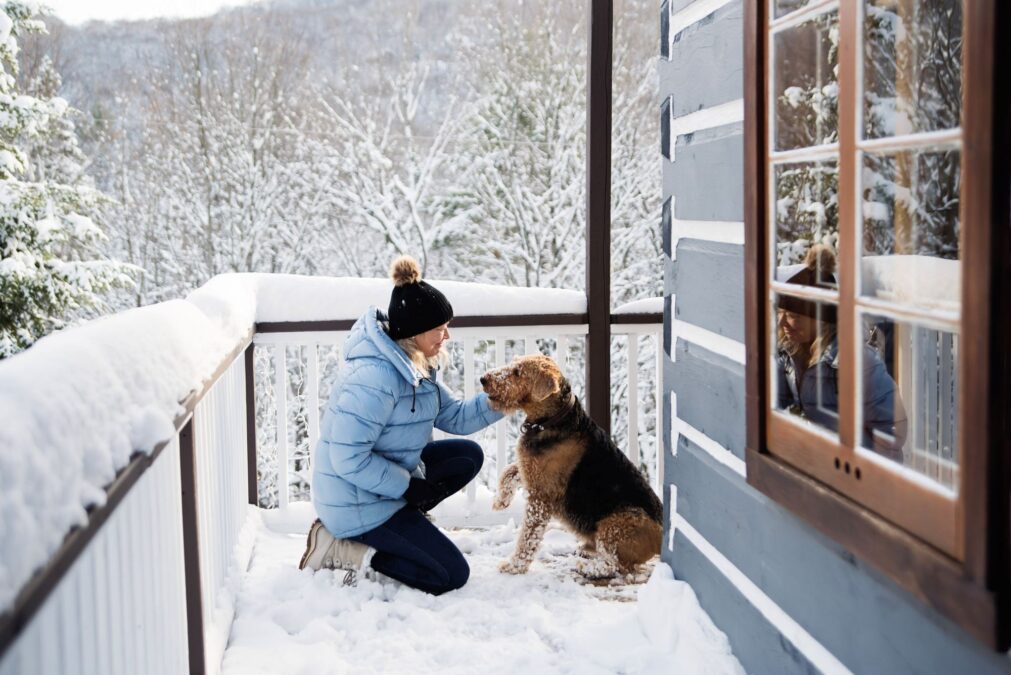
There’s something special about cottage country in winter. Snow-covered trails, evenings spent by a crackling fire and frozen lakes that transform the landscape make for a memorable escape. While summer may be the traditional cottage season, a winter getaway can be just as enjoyable with the right preparation.
Of course, colder temperatures bring their own set of challenges. From icy roads and frozen pipes to heating systems and winter storms, there are a few extra precautions worth taking before settling in for a cozy weekend away.
Whether you’re an experienced four-season cottage owner or planning your first winter visit, these tips can help keep your property safe and your getaway stress-free.
Plan ahead for winter road conditions
Getting to the cottage can be half the adventure, especially after a heavy snowfall. Before hitting the road, check the weather forecast and road conditions, and confirm that your cottage road and driveway are accessible. Private and seasonal roads may not receive regular winter maintenance, so it’s worth arranging snow removal in advance if needed.
Make sure your vehicle is equipped with winter tires and pack an emergency kit with a shovel, booster cables, flashlight, blankets, water, snacks and a phone charger. If you’re travelling to a remote area with limited cell service, let someone know your route and expected arrival time.
Give your property a once-over when you arrive
Before unpacking and getting comfortable, take a few minutes to inspect the property for signs of winter damage.
Check for excessive snow accumulation on the roof, ice dams along the eaves and fallen branches that may have caused damage. Keep entrances, walkways and exterior vents clear of snow and ice, particularly exhaust outlets for heating equipment and appliances.
Inside, look for signs of leaks, frozen pipes or unwanted animal visitors. If the cottage has been sitting unheated, allow it to warm up gradually and check the plumbing before restoring the water supply. If you suspect a pipe has frozen, avoid turning on the water until the issue has been safely addressed.
Use fireplaces and wood stoves safely
Few things are more inviting than a warm fire after a day outdoors. But before lighting the first log, make sure your fireplace or wood stove is in good working condition.
Chimneys and wood-burning appliances should be inspected and cleaned regularly by a qualified professional to prevent dangerous creosote buildup and reduce the risk of chimney fires.
Keep these precautions in mind:
- Burn only dry, seasoned firewood to reduce smoke and creosote buildup.
- Keep furniture, curtains and other flammable materials a safe distance from the fireplace or stove.
- Use a protective screen and never leave a fire unattended.
- Dispose of cooled ashes in a covered metal container, stored outdoors and away from buildings and combustible materials.
Check your smoke and carbon monoxide alarms
Cottages equipped with wood stoves, fireplaces, propane appliances or fuel-burning heating systems can be at risk of carbon monoxide buildup. This colourless, odourless gas can be deadly, making properly functioning carbon monoxide alarms essential.
Install smoke and carbon monoxide alarms in accordance with your province’s requirements and the manufacturer’s instructions, including appropriate coverage near sleeping areas. Test them when you arrive, check their expiry dates and replace batteries as needed.
It’s also important to ensure that exterior exhaust vents are free of snow and ice, which can block ventilation and allow dangerous gases to accumulate indoors.
Take extra precautions around frozen lakes
A frozen lake can be one of winter’s biggest attractions, offering opportunities for skating, ice fishing and snowmobiling. However, ice conditions can be unpredictable, even after several days of freezing temperatures.
Ice thickness can vary considerably across the same lake, particularly near docks, shorelines, inlets, outlets and areas with moving water. Snow cover can also conceal weak spots and slow the freezing process.
The Canadian Red Cross provides the following minimum ice thickness guidelines for clear, hard ice:
- 15 cm: Walking or skating alone
- 20 cm: Skating parties or games
- 25 cm: Snowmobiles
These are general guidelines, not guarantees of safety. White or opaque ice is weaker than clear ice, and conditions can change quickly.
Always check local ice reports, assess conditions carefully and avoid venturing onto the ice alone. When in doubt, stay on shore.
Be prepared for winter power outages
Heavy snowfall, freezing rain and strong winds can cause power outages, particularly in rural and remote cottage communities. Depending on your location, restoring electricity may take longer than it would in an urban area.
Keep a well-stocked emergency kit with flashlights, extra batteries, a battery-powered radio, first aid supplies, bottled water, non-perishable food and essential medications. Extra blankets and warm clothing are also useful if your heating system relies on electricity.
If you have a portable generator, always operate it outdoors, well away from windows, doors and vents, and follow the manufacturer’s instructions. Never use barbecues, camp stoves or outdoor heaters indoors, as they can produce dangerous levels of carbon monoxide.
A properly maintained wood stove can provide an alternative source of heat during an outage, provided it’s safe to operate and has adequate ventilation.
Protect your plumbing from freezing temperatures
Frozen pipes are one of the most common winter concerns for cottage owners, and a burst pipe can cause significant water damage.
If your cottage remains heated throughout the winter, maintain a consistent indoor temperature and ensure exposed plumbing in crawl spaces, basements and other unheated areas is properly insulated. Know where your main water shut-off valve is located so you can respond quickly if a leak occurs.
Properties that rely on wells or lake water systems may require additional precautions. Make sure your water supply and plumbing are designed for winter use, and follow the appropriate procedures for your particular setup.
When leaving the cottage, follow your property’s established winter maintenance routine, whether that involves maintaining the heat, shutting off the water or draining the plumbing system.
Keep an eye on your cottage between visits
When you’re not at the cottage, a little technology can go a long way toward protecting your property.
Smart thermostats, remote temperature sensors, water leak detectors and power outage monitors can help you keep tabs on conditions from afar. Some systems can even send alerts to your phone if the temperature drops unexpectedly or a leak is detected.
For added reassurance, consider arranging periodic visits from a trusted neighbour or local property management service, particularly after major winter storms.
It’s also a good idea to review your cottage insurance policy. Coverage for seasonal or occasionally occupied properties may come with specific requirements, such as maintaining a minimum indoor temperature, shutting off the water or arranging regular property inspections.
Stock up on essential winter safety supplies
Beyond the usual cottage essentials, a few additional items can make winter visits safer and more comfortable.
Consider keeping the following on hand:
- Sturdy snow shovels and a roof rake for removing snow safely from the ground
- Sand or pet-friendly ice melt for slippery steps and walkways
- Properly maintained fire extinguishers in accessible locations
- Ice picks, a throw rope and appropriate flotation equipment for activities near frozen water
- Extra winter clothing, waterproof boots, gloves and blankets
- A well-stocked first aid kit and emergency supplies
Having these items readily available can save you a trip into town and help you respond quickly when unexpected conditions arise.
Make the most of winter at the cottage
With a little planning and regular maintenance, your cottage can be just as welcoming in January as it is in July. Taking precautions before and during your visit helps protect your property, keeps your family safe and allows you to spend more time enjoying everything winter in cottage country has to offer.
If you’re considering purchasing a four-season cottage, a REALTOR® with experience in recreational properties can help you navigate important considerations, from winter road access and heating systems to water supply and year-round maintenance requirements.