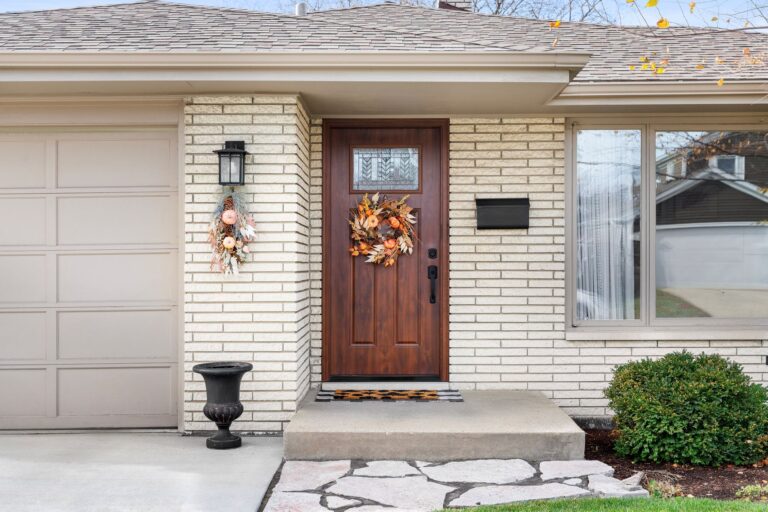
7 practical homebuying tips to avoid common pitfalls
Strategies to navigate the homebuying process with confidence
April 24, 2026
7 min. read

Buying a home is one of the most meaningful financial and lifestyle decisions you will make. It marks an exciting new chapter, but it can also come with a few surprises if you are not fully prepared. Many homebuyers only realize certain trade-offs or overlooked details after they have already moved in.
The good news is that most common homebuying mistakes are entirely avoidable. With the right mindset, a clear plan, and a bit of patience, you can navigate the process with confidence and make a decision that feels right today and in the long term.
If you are planning to buy a home this year, these smart tips can help you stay focused, avoid common pitfalls, and make a well-informed purchase.
1. Falling in love too quickly with a home
It is natural to feel an emotional connection when you walk into a beautifully staged property. Great lighting, thoughtful décor, and a welcoming atmosphere can make it easy to picture yourself living there. However, relying too heavily on first impressions can cause you to overlook important details.
How to avoid it:
Give yourself time to reflect after each showing. Compare the home against your must-have list and think beyond the staging. Ask yourself whether the property truly meets your needs in terms of space, layout, and location, not just how it made you feel in the moment.
2. Underestimating the true cost of homeownership
The purchase price is only one part of the equation. Ongoing expenses such as property taxes, insurance, utilities, maintenance, and unexpected repairs can add up quickly and impact your monthly budget more than anticipated.
How to avoid it:
Create a comprehensive budget that goes beyond your mortgage payment. Factor in both fixed and variable costs, and set aside a contingency fund for repairs or upgrades. A realistic financial plan will help you feel more comfortable and in control after you move in.
3. Choosing the wrong location for your lifestyle
A home can be updated over time, but its location cannot be changed. A neighbourhood that looks appealing on paper may not align with your day-to-day routine, commute, or long-term goals.
How to avoid it:
Spend time exploring the area before making a decision. Visit at different times of day, test your commute, and take note of nearby amenities such as schools, parks, and shops. Consider how the neighbourhood fits your current lifestyle now and in the future.
4. Overlooking layout and functionality
A home may photograph beautifully, but not all spaces are designed for practical living. Awkward layouts, limited storage, or poorly placed rooms can become frustrating over time, no matter how attractive the finishes are.
How to avoid it:
Walk through the home with your daily routine in mind. Where will you store everyday items? Does the flow of the space make sense? Is there enough room for how you live, work, and relax? Functionality plays a major role in long-term satisfaction.
5. Rushing the decision-making process
In a competitive market, it can feel like you need to act quickly to secure a property. While being prepared is important, rushing into a decision without proper due diligence can lead to costly surprises.
How to avoid it:
Work with a trusted real estate professional and stick to your process. Take the time to review all available information, schedule inspections when possible, and understand the full condition of the home before making an offer. A thoughtful approach can protect you from avoidable risks.
6. Holding out for the “perfect” home
It is easy to get caught up in the idea of finding a home that checks every single box. In reality, every property involves some level of compromise, and waiting for perfection can mean missing out on strong opportunities.
How to avoid it:
Prioritize what matters most to you and be flexible on secondary features. Focus on finding a home that meets your core needs and offers potential for future improvements. Often, the right home is one that works well overall, even if it is not flawless.
7. Not Planning for the Future
A home that fits your needs today may not suit your lifestyle a few years from now. Changes in work arrangements, family size, or long-term goals can all influence how well a home continues to serve you.
How to avoid it:
Consider how long you plan to stay and whether the property offers flexibility. Is there space to grow, adapt, or renovate if needed? Choosing a home with long-term potential can add both comfort and value over time.
Buying a home is not about making a perfect decision – it is about making an informed one. By understanding common pitfalls and approaching the process with clarity and intention, you can move forward with confidence.
With the right preparation, your homebuying journey can be as rewarding as the moment you finally get the keys.