Buying a home in a wildfire-prone area: What every buyer should know
October 9, 2026
8 min. read
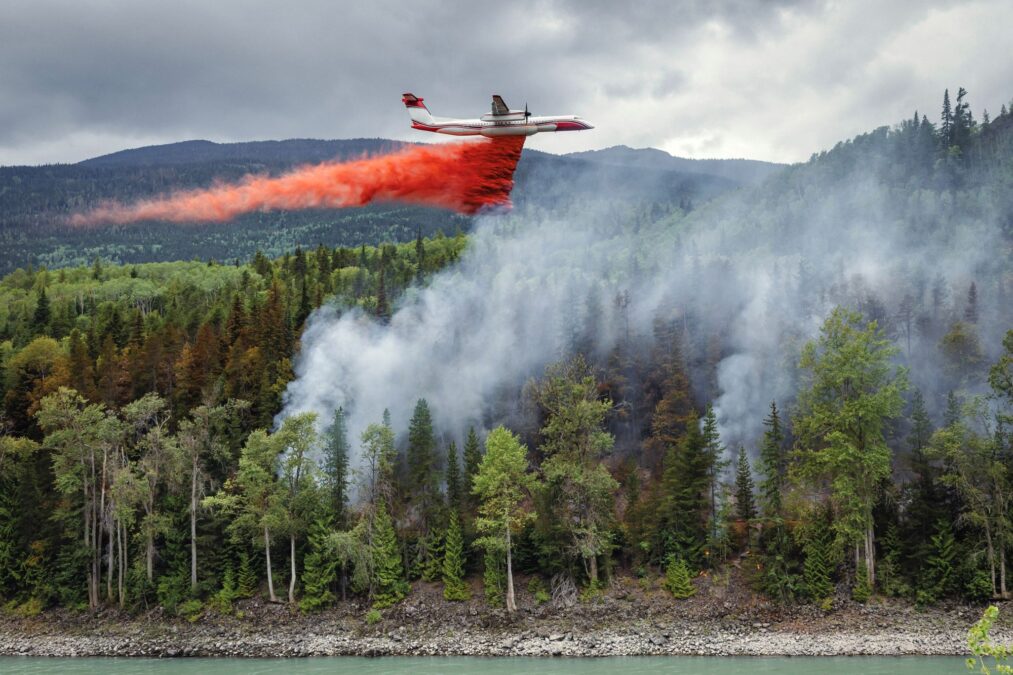
Many of Canada’s most desirable communities are located near forests, grasslands and natural landscapes. Mountain towns, lakefront communities and rural properties offer access to nature, scenic views and outdoor recreation, but they may also face an increased risk of wildfire.
As wildfire activity has become more frequent across parts of the country, buyers are placing greater emphasis on understanding a property’s exposure before making a purchase.
Wildfire risk should not necessarily discourage someone from purchasing a home. Rather, it is an important factor to evaluate alongside the property’s condition, location and long-term ownership costs. Understanding the risks in advance can help buyers make informed decisions about insurance, financing and future maintenance.
How can you determine whether a property is at risk?
Begin by evaluating the property’s surroundings. Homes bordering forests, grasslands or heavily vegetated slopes generally face greater wildfire exposure than properties located within established urban neighbourhoods. Topography is also an important consideration, as wildfires tend to spread more rapidly uphill.
In addition to the site visit, buyers should review publicly available information.
Many provinces publish wildfire hazard maps, while municipalities in higher-risk regions often maintain their own wildfire or hazard mapping to guide planning and development. A local real estate professional can help identify available resources and determine whether the community participates in the FireSmart Canada program or other wildfire mitigation initiatives.
It is also worthwhile to ask about the property’s history. Has the area previously been subject to evacuation alerts or evacuation orders? Has the home experienced damage or an insurance claim related to wildfire or smoke? While disclosure requirements vary by province, these are reasonable questions for prospective buyers to ask during the due diligence process.
Will obtaining home insurance be more difficult?
Insurance is one of the most important considerations when purchasing a property in a higher-risk area and should be investigated before purchase conditions are removed.
Although most homes in wildfire-prone regions remain insurable, insurance premiums can vary significantly depending on the property’s location, surrounding vegetation and construction. In some higher-risk areas, insurers may impose additional underwriting requirements or offer more limited coverage options.
This can also affect financing. Most mortgage lenders require proof of adequate home insurance before funding a mortgage. If insurance is difficult or prohibitively expensive to obtain, it may influence both financing options and the property’s long-term marketability.
During the conditional period, buyers should obtain an insurance quote using the property’s exact address rather than relying on neighbourhood averages. Ask about premiums, deductibles, available coverages and whether specific mitigation measures could qualify the home for lower insurance costs.
What features make a home more resistant to wildfire?
Research has shown that many homes affected by wildfire are ignited by wind-driven embers rather than direct contact with flames. As a result, a home’s design and construction materials can play an important role in reducing vulnerability.
When viewing a property, consider the following features:
Roofing materials. Metal roofing, clay tile and Class A fire-rated asphalt shingles generally provide greater fire resistance than untreated wood shakes. Because roofs are particularly susceptible to airborne embers, roofing materials are one of the most important considerations.
Exterior cladding. Fibre cement, stucco, brick and metal siding are generally more resistant to ignition than untreated wood products.
Vents and openings. Attic, soffit and crawlspace vents can allow embers to enter the home. Fine metal mesh screens help reduce this risk while maintaining ventilation.
Decks and fencing. Combustible materials connected directly to the home can provide a pathway for fire. Non-combustible decking materials or incorporating a metal or masonry break where a fence meets the home can improve resilience.
Windows. Tempered glass and double-glazed windows generally provide better resistance to radiant heat than older single-pane windows.
Evaluate the landscaping around the home
The area immediately surrounding a home can significantly influence its vulnerability during a wildfire.
The first 1.5 metres around the structure is often considered the most critical zone for reducing fire risk. Buyers should look for properties where combustible materials have been minimized near the home’s exterior.
Items such as stacked firewood, combustible mulch, dense shrubs against the home and accumulated leaves in gutters can increase vulnerability.
Landscaping features that may improve resilience include gravel or other non-combustible ground cover adjacent to the home, well-maintained vegetation, appropriately spaced trees and regular removal of dead plant material.
If these features are not currently in place, many can be addressed through relatively straightforward landscaping improvements rather than major renovations.
Consider the community’s level of preparedness
Wildfire resilience extends beyond an individual property. Communities that actively invest in wildfire mitigation often improve the resilience of the entire neighbourhood.
Buyers may wish to ask whether the municipality participates in FireSmart Canada programs, undertakes vegetation management on nearby public lands or has implemented community wildfire protection planning.
Other practical considerations include emergency access routes, evacuation planning and local firefighting resources, including water supply and hydrant coverage.
Communities that prioritize wildfire preparedness may also be better positioned to maintain insurability and long-term property values.
Budget for ongoing maintenance
Purchasing a home in a wildfire-exposed area may involve different long-term maintenance considerations than properties in lower-risk locations.
Insurance premiums may be higher than average, and homeowners should anticipate routine seasonal maintenance such as clearing gutters, removing roof debris, trimming vegetation and maintaining defensible space around the home.
Over time, owners may also choose to upgrade certain features, such as vent screening, roofing materials or landscaping, to further improve wildfire resilience.
These costs are generally manageable but should be considered as part of the overall cost of homeownership.
The bottom line
Wildfire exposure has become another important consideration for homebuyers, alongside factors such as the condition of the roof, heating system and foundation. Evaluating wildfire risk early in the buying process allows purchasers to better understand insurance requirements, ownership costs and any improvements that may be appropriate over time.
FireSmart Canada provides homeowners with free educational resources and property assessment tools to help reduce wildfire risk. Local real estate professionals can also provide valuable insight into regional conditions, community preparedness and the questions buyers should consider before making an offer.
Taking the time to understand wildfire risk before purchasing a property can help buyers make informed decisions and better prepare for long-term homeownership.