The emergency preparedness kit every homeowner should have
August 25, 2026
7 min. read
Emergency preparedness often feels like a major undertaking, making it easy to postpone. Yet one of the most effective steps homeowners can take requires relatively little time and relies largely on items they already have.
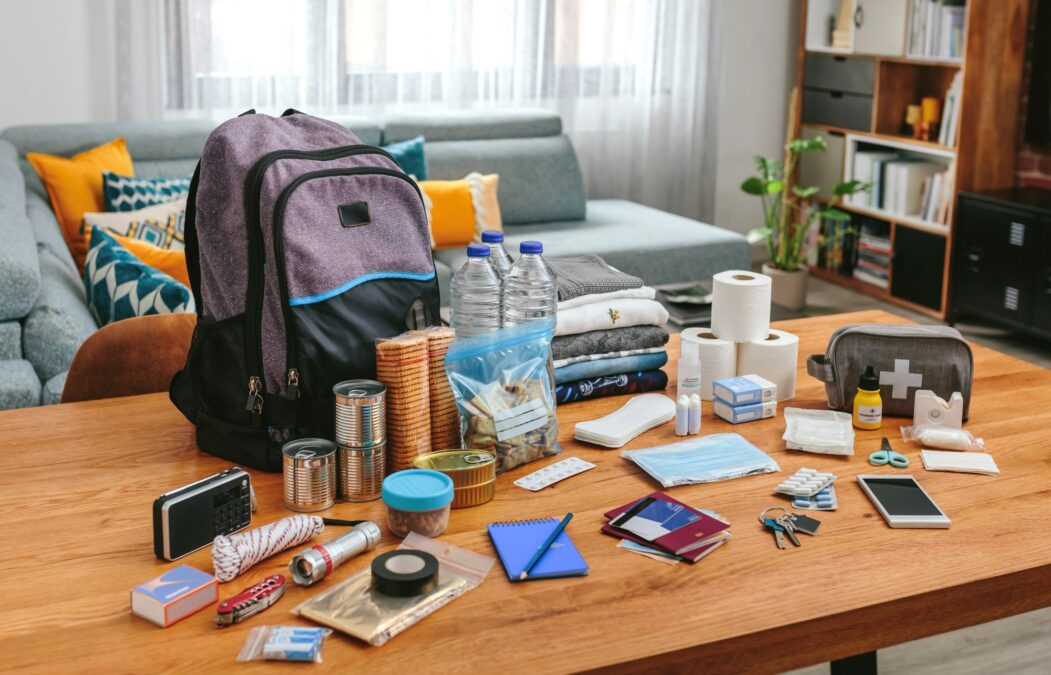
A grab-and-go bag is a compact emergency kit stored in an easily accessible location, containing the essential items you would need if you had to leave your home quickly. Whether the reason is a wildfire evacuation, flood warning, gas leak or another emergency that makes your home temporarily uninhabitable, having these essentials ready can make a stressful situation far more manageable.
Rather than purchasing a pre-packaged kit, consider assembling one yourself using items already available in your home.
Prioritize items that are difficult to replace
The primary purpose of a grab-and-go bag is to protect the documents and information that would be most challenging to recover.
Include photocopies of identification for every member of the household, such as passports, driver’s licences, birth certificates and permanent resident cards. Add your insurance policy number, your insurance broker’s contact information, mortgage or lease documents, a list of current drug prescriptions and dosages, and your veterinarian’s contact information if you have pets.
It is also wise to store digital copies of these documents in a secure cloud service and email a copy to yourself. Printed copies remain valuable in situations where your phone is unavailable or cannot be charged.
Pack essential supplies for several days
While emergency preparedness guidelines often recommend enough supplies for three days, planning for up to a week provides additional flexibility should you be displaced for an extended period.
Your kit should include prescription medications, a written copy of prescriptions, glasses or contact lens supplies, a phone charger, a fully charged power bank, cash in small denominations, a change of clothing, comfortable footwear, basic toiletries and a first aid kit.
Households with children should include a familiar comfort item, such as a favourite toy or book. Pet owners should pack a leash, carrier, food, water bowl and copies of vaccination records, as many emergency shelters require proof of immunization.
Create a visual inventory of your home
One of the most valuable steps homeowners can take for insurance purposes is to document their belongings before an emergency occurs.
Using your phone, record a video walkthrough of your home while describing the contents of each room. Open closets, cupboards and drawers, and capture valuable items along with the serial numbers of major appliances, electronics and tools. Be sure to include storage areas such as the garage, basement and shed.
This simple record can significantly streamline the insurance claims process by providing clear documentation of your belongings. Save the video to a secure cloud service rather than relying solely on your phone.
If you own jewellery, artwork, collectibles or other high-value possessions, speak with your insurance broker to confirm whether they require additional coverage beyond the limits of a standard home insurance policy.
Store your kit where it is easy to access
Keep your emergency kit in a location that can be reached quickly when leaving your home, such as a front hall closet or mudroom. Avoid placing it in storage areas that require moving boxes or accessing difficult spaces such as attics or crawl spaces.
Some households may also benefit from keeping a smaller version of the kit in their vehicle, particularly if they live in rural areas or commute long distances.
Review your kit regularly
A grab-and-go bag should be reviewed at least twice a year to ensure its contents remain current.
A simple way to remember is to inspect the kit when changing the clocks, testing smoke alarms or at the beginning of spring and fall. Replace expired medications, recharge the power bank, update documents as needed and ensure clothing still fits growing children.
Review your insurance coverage before you need it
A grab-and-go bag is only one component of emergency preparedness. It is equally important to understand what your home insurance policy does and does not cover.
For example, many homeowners assume all forms of water damage are automatically included in their policy. In reality, overland flood protection and sewer backup coverage are often optional endorsements, and availability may depend on the property’s location.
A conversation with your insurance broker can help clarify your current coverage and identify any gaps before an emergency occurs.
For evacuation information and emergency alerts, consult your provincial emergency management agency. Homeowners in wildfire-prone areas can also access free preparedness resources and home assessment tools through FireSmart Canada.
Preparing a grab-and-go bag requires only a modest investment of time, but it can make a significant difference during an emergency, allowing you to focus on your family’s safety rather than gathering essential belongings under pressure.