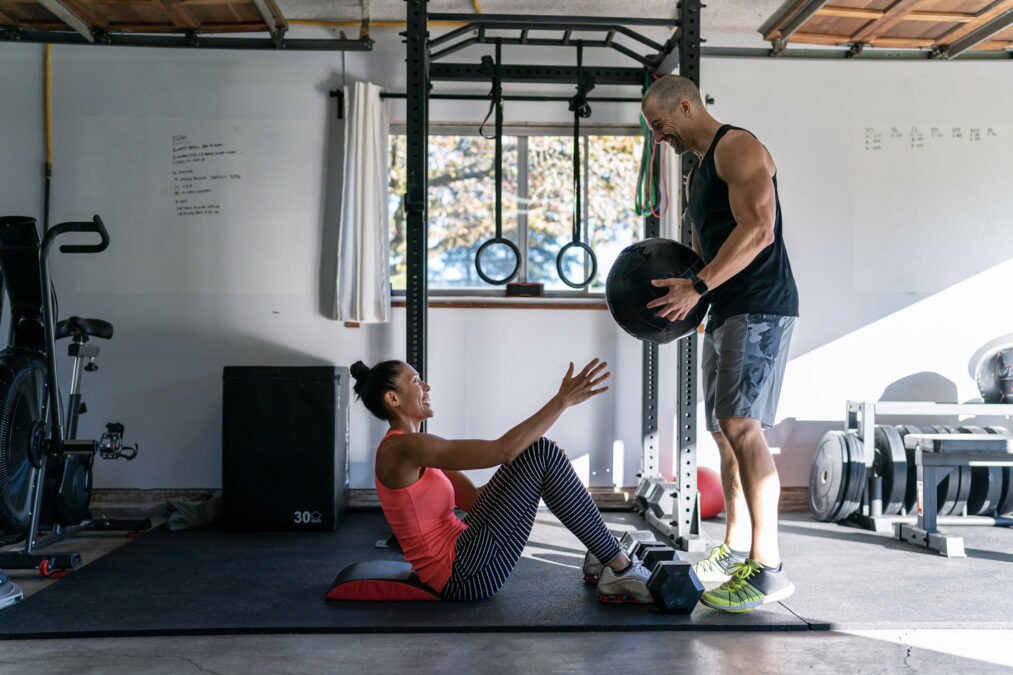
Creating a home gym doesn’t require a huge footprint or a major renovation, just a bit of creativity and the right equipment. Whether you live in a condo, a townhouse or a home with limited flex space, you can still build an area that supports your fitness goals and fits seamlessly into your lifestyle. With thoughtful planning, even the smallest corner can become a motivating, well-organized workout zone.
Here are some practical tips to help you create a small home gym that’s functional, affordable and perfectly tailored to your routine.
Start with portable, versatile equipment
You don’t need an elaborate setup to get a great workout. A few compact, budget-friendly essentials can go a long way:
- A yoga or exercise mat
- A stability (Swiss) ball
- Resistance bands
- A jump rope
- An equalizer bar or lightweight step
These items are easy to store, easy to move and offer endless workout options. Thousands of free online classes, from strength training to Pilates to HIIT, rely on minimal or bodyweight-only equipment – perfect for small spaces.
Choose equipment that maximizes space
Large dumbbell racks and heavy machines take up valuable room. Instead, choose smart alternatives that deliver the same benefits:
- Adjustable hand weights that replace an entire set of dumbbells
- Kettlebells of varying sizes, which are incredibly versatile and easy to tuck away
- Foldable benches or compact workout stools that slide under a bed or into a closet
The goal is to get maximum function from minimal square footage.
Create a multi-purpose workout zone
A dedicated workout area is ideal, but not always possible. If space is tight, think strategically:
- Store your equipment in a labeled bin, basket or rolling cart and keep it near your usual workout spot.
- If you follow online workout videos, use a room with a TV or enough space for your laptop to sit at eye level.
- Consider rearranging furniture temporarily during your workout, then reset the room when you’re done.
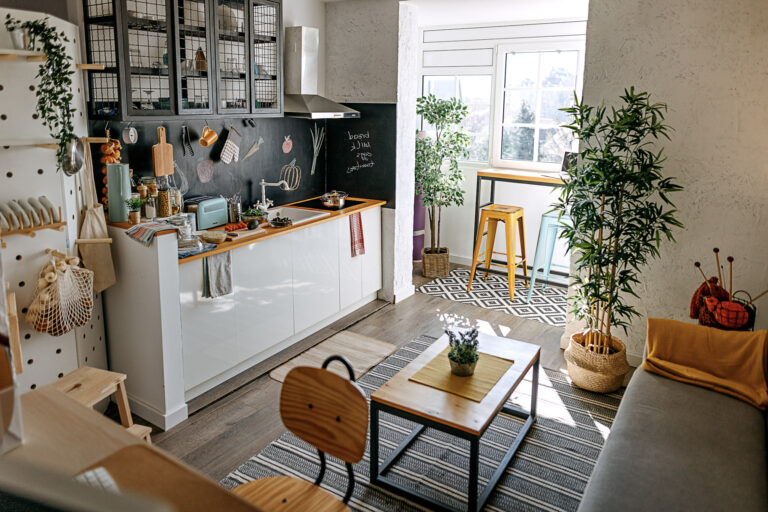
- A living room, den or bedroom can easily double as your home gym with the right setup.
Protect your floors (and your joints!)
If you do have a designated spot for exercising, investing in foam or rubber puzzle mats is a smart choice. They:
- Provide cushioning for high-impact movements
- Protect your floors from weights and equipment
- Improve traction to help prevent slips
- Are inexpensive and easy to assemble or store
Because they snap together and don’t need adhesive, you can remove them quickly if you want to repurpose the space.
Add small touches that boost motivation
Even a compact home gym can feel energizing with a few thoughtful elements:
- Good lighting (natural or artificial)
- A small shelf for a speaker or smart display
- A plant to bring in some life and colour
- A basket or tray to keep towels and accessories tidy
- These subtle upgrades make the space feel more purposeful and enjoyable to use.
Keep resale value in mind
While it might be tempting to add built-in features like wall-to-wall mirrors, consider how future buyers might see the space. Permanent fixtures can limit how the next homeowner uses the room. Instead:
- Choose mirrors that hang rather than mount permanently
- Avoid structural changes meant only for gym use
- Stick to upgrades that are easy to remove or repurpose
This ensures your home gym works for you today without affecting your home’s appeal tomorrow.
With the right approach, your small space can become a home gym that’s practical, motivating and surprisingly stylish, proving that you don’t need a large area to create a big impact.