
Bank of Canada holds rate at 2.25% in April as inflation ticks upward
Rising energy prices reintroduce risk of higher interest rates as inflation pressures return
April 29, 2026
5 min. read
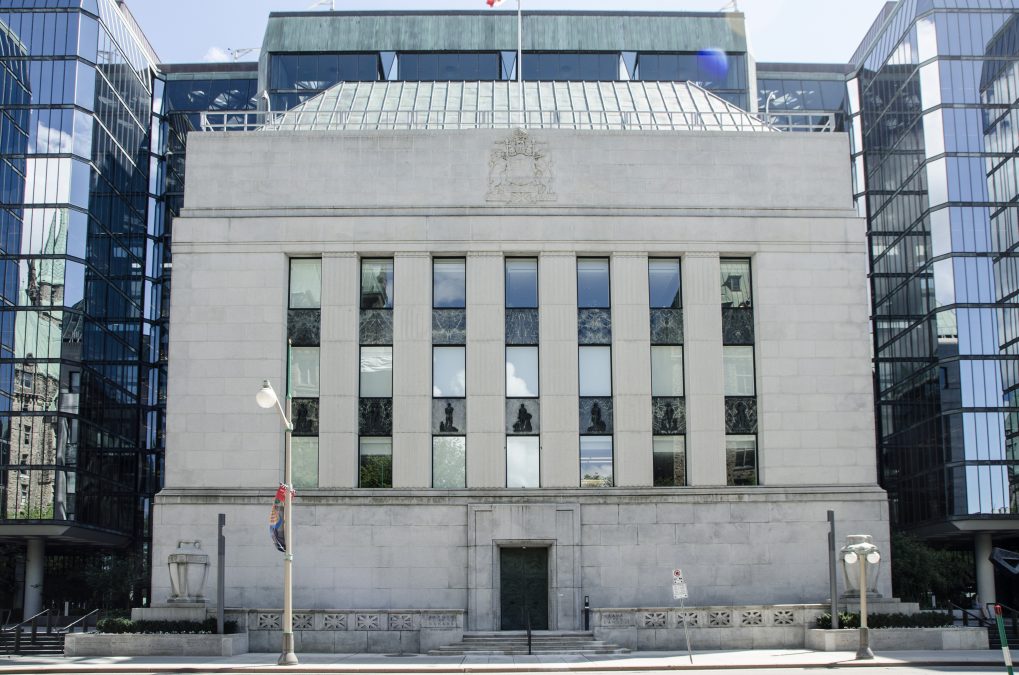
In its third scheduled announcement of 2026, the Bank of Canada held the target for the overnight lending rate at 2.25%. This marks the fourth consecutive hold to interest rates since October of last year.
Rising global energy prices tied to the conflict in Iran are adding upward pressure on inflation. For now, the Bank says there is limited evidence that higher oil prices are significantly impacting the cost of other everyday goods and services, though this remains a key area to watch. The focus is on keeping inflation pressures temporary and preventing longer-term price increases. Looking ahead, upcoming Canada–United States–Mexico Agreement negotiations this summer, along with ongoing tariffs, could also influence the direction of interest rates.
“If the United States imposes significant new trade restrictions on Canada, we may need to cut the policy rate further to support economic growth. Alternatively, if oil prices continue to increase, and particularly if they remain elevated, the risk that higher energy prices become ongoing generalized inflation increases. If this starts to happen, monetary policy will have more work to do – there may be a need for consecutive increases in the policy rate,” said Tiff Macklem, Governor of the Bank of Canada, in a press conference with reporters following the announcement.
“Of course, these are not the only possible outcomes. We will be watching developments closely and assessing their implications for growth and inflation. As the outlook evolves, we stand ready to respond as needed.”
In March, Canada’s Consumer Price Index (CPI) increased 2.4% year over year, up from 1.8% in February. The acceleration was largely driven by higher gasoline prices, with consumers paying 5.9% more than they did in March of the previous year. However, the increase was somewhat tempered by base-year comparisons, as March 2025 prices included the since-eliminated consumer carbon levy. Meanwhile, labour market conditions remained relatively stable, with the employment rate holding at 60.6% last month.
Risk of rising rates could spur springtime activity
With inflation pressures resurfacing, mortgage rates could move higher in the near term. As a result, buyers with pre-approvals may feel added urgency to act this spring to avoid rising borrowing costs, potentially supporting an uptick in market activity. Fixed rates have already started to edge higher in recent weeks, tracking bond yields as they respond to ongoing market volatility.
“With inflation pressures resurfacing, the Bank of Canada has no room to lower interest rates further – and the next move could be upward,” said Phil Soper, president and CEO, Royal LePage. “For buyers planning to enter the market this year, securing a mortgage pre-approval sooner rather than later is a prudent step, particularly as rate holds have a limited shelf life. As that reality sets in, we expect more buyers to come off the sidelines through the spring and summer months.”
According to the Royal LePage® House Price Survey and Market Forecast, the aggregate1 price of a home in Canada decreased 2.0% year over year to $812,900 in the first quarter of 2026. On a quarter-over-quarter basis, however, the national aggregate home price remained relatively flat, increasing just 0.7%.
The Bank of Canada will make its next interest rate announcement on June 10th, 2026.
Read the full April 29th report here. Want to know more about how the overnight lending rate works? Read our explainer on how the Bank of Canada uses this financial tool.
1Aggregate prices are calculated using a weighted average of the median values of all housing types collected. Data is provided by RPS Real Property Solutions and includes both resale and new build.