
Home upkeep every new homeowner should do in their first year
July 6, 2026
7 min. read
Congratulations on your new home! The first year of ownership is the ideal time to build a foundation of care that protects your investment and keeps everything running smoothly for years to come.
If you received a home inspection report before closing, pull it out now. Any flagged items – even minor ones – are worth addressing early before they become costly repairs. From there, these tasks will help you stay ahead of the seasons and get to know your home inside and out.
Get familiar with the essentials
Do a walkthrough of your new home before you fully settle in. Locate your main water shut-off valve and electrical panel so you can find them quickly in an emergency. If your property has a well or septic system, locate those access points and review any existing maintenance records.
Refresh your safety baseline: install fresh batteries in every smoke and carbon monoxide detector, and check the manufacture dates on the units to ensure they’re not expired.
Do a diagnostic clean
A thorough move-in clean is one of the best ways to learn about your home’s mechanical health.
Replace the furnace filter on day one, and book an annual furnace inspection before the heating season. Vacuum the coils behind or underneath your refrigerator and clear lint from your dryer’s exterior exhaust duct. Run your washing machine, dishwasher and oven through a self-clean cycle and wipe down any filters or door seals.
In the bathrooms and kitchen, inspect the caulking around tubs, showers and sinks, and repair where necessary to avoid water damage. Seeing moisture or mould on your windowsills? After cleaning properly, run your bathroom fans more regularly or increase usage of your heat recovery ventilator if your home has one. If you’re still seeing condensation, it may be time to replace your windows.
Protect the exterior
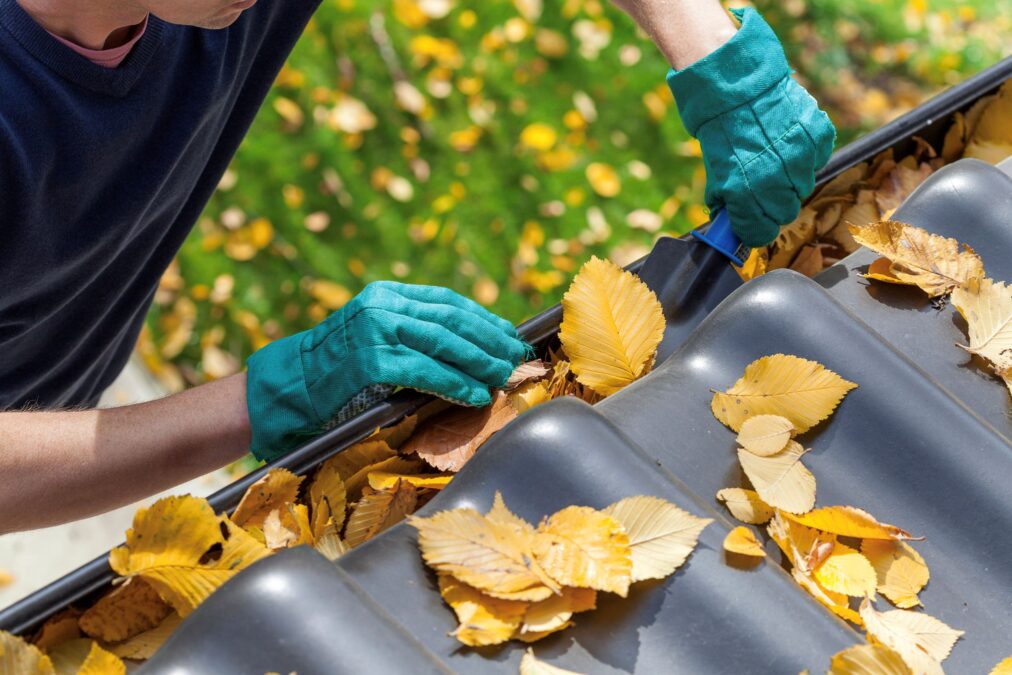
Walk the perimeter seasonally. Keep eavestroughs clear and make sure downspouts extend at least four to six feet from your foundation – this is your best defence against basement water issues. Before temperatures drop, fill any small gaps in the foundation, disconnect garden hoses and shut off the interior supply line to outdoor taps.
Tailor your upkeep to your home type
Whether a home is decades old or newly built, each comes with its own set of maintenance requirements. Older properties may require more frequent upkeep of aging systems and materials, while newer homes often need proactive care to protect warranties and preserve long-term value. Understanding the unique needs of your home can help you plan ahead and avoid costly surprises.
Older homes: Turn the shut-off valves under sinks and toilets off and on once a year to keep them from seizing. Check your attic in winter for frost or ice buildup, and in summer for excessive heat – this signals poor ventilation or air leakage. Confirm insulation meets current code, as older homes are frequently under-insulated and upgrading pays off on energy bills.
If your home has a brick exterior, patch any areas with crumbling or flaking brick and mortar. Catching these small gaps early is a simple, cost-effective way to keep your home’s exterior strong and watertight. Your inspection report may also flag older systems like knob-and-tube wiring or galvanized pipes worth planning around.
New builds: Monitor soil grading in your first year as the ground settles around the foundation, and add topsoil as needed to maintain proper drainage away from the house. Keep a running list of cosmetic items – nail pops, trim gaps, hairline cracks in caulking – as the home adjusts to heating and cooling cycles. These are the items to document for your province’s specific warranty program deadlines, often at the one-year anniversary of your possession date.
Finally, be sure to operate your HRV regularly during the first year, as new construction materials can release gases over time. Consistent ventilation helps maintain healthy indoor air quality and supports a more comfortable living environment.
Condos and apartments: Living in a multi-unit building means your home’s maintenance can sometimes affect those living around you. A simple way to prevent unexpected water leaks is to replace standard rubber washing machine hoses with braided stainless steel versions which are much more durable and provide peace of mind, especially when you’re away from home.
It’s also helpful to ensure your personal insurance works in tandem with the building’s Master Policy. Take a moment to confirm you have “Deductible Assessment” coverage – it’s a small detail that offers significant protection. Finally, keep an eye on the Capital Replacement Plan (often called a Reserve Fund Study or Depreciation Report). This is the building’s long-term financial roadmap which will help you stay informed about future updates to the property and protect the resale value of your unit.
Start a home journal
Keep a folder, digital or physical, for your inspection report, appliance manuals and service dates, warranty documents, paint codes and any other details you want to keep track of. It’s a habit that pays off significantly throughout your homeownership journey and when it comes time to sell.
The first year is about learning how your home functions and establishing simple habits that make ownership easier. By staying proactive and observant, you are well on your way to a lifetime of comfortable living.